
The careful selection of a TV stand not only gives a useful tool for supporting your television but also plays a key part in the overall design of your home, contributing to a well-designed and functional living room. The perfect TV stand may enhance the functionality of your entertainment setup and the overall beauty of your room by providing storage for devices and accessories and by harmonizing with the existing furniture and color scheme.
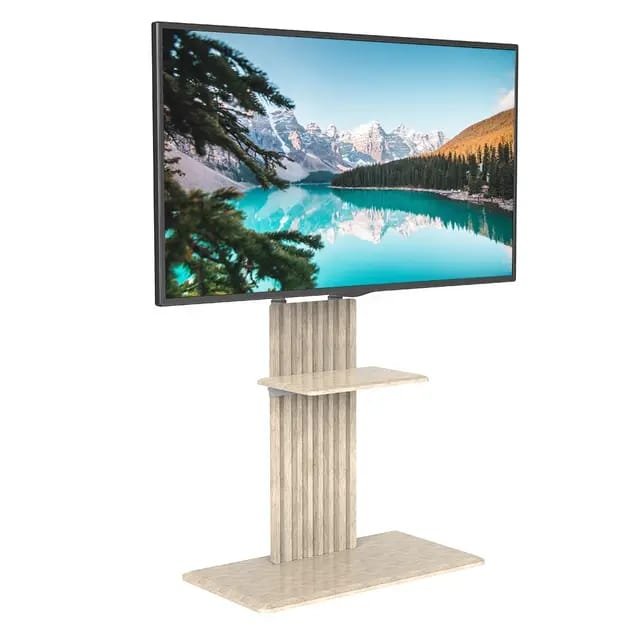
It is important to choose a stand that matches your functional needs as well as your own style, especially given the broad range of possibilities available—from modern ease to rustic charm. You may choose the best TV stand to meet your needs with the aid of this post.
1. Consider the Size of Your TV and Room
The size of your TV and the space provided for the stand should be carefully considered when selecting a TV stand. Check the TV’s width and height with the stand you select to make sure it can keep it properly in place. In addition, take calculations of the area where the stand will be built paying special attention to the available width and height.
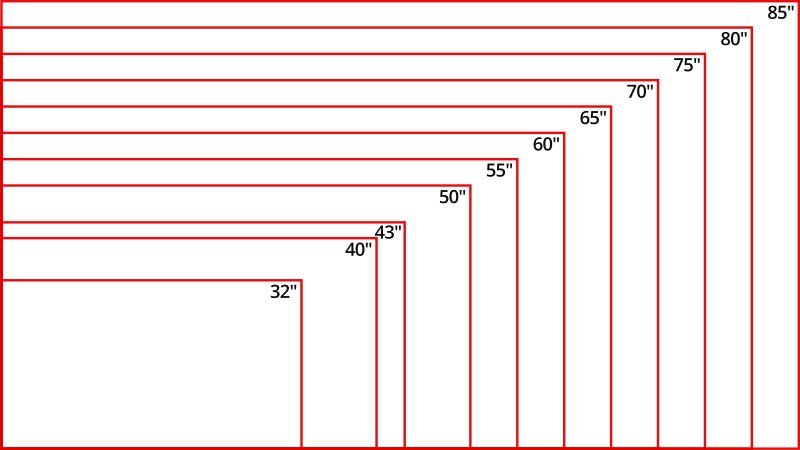
You can get a more balanced look by selecting a stand that is either a bit wider or about the same width as your television. In order to make room for other furniture or equipment, depth is also important; ensure that the stand does not take up too much space in the room.
2. Determine Your Style Preference
Choosing the style you like is an important first step when selecting a TV stand as it has a big impact on how your home appears overall. There are many different types of TV stands, like modern, rustic, standard, and minimalist. Each style has unique characteristics that may be used with a variety of design concepts.
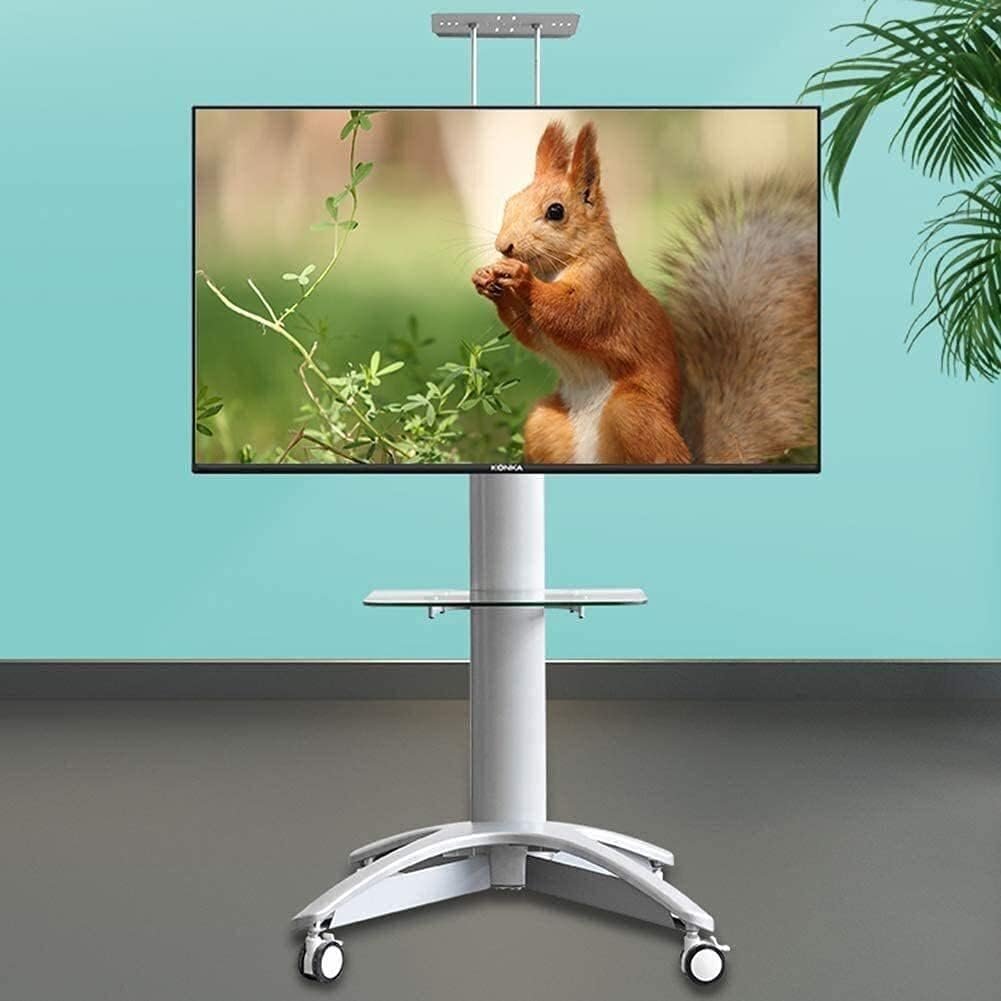
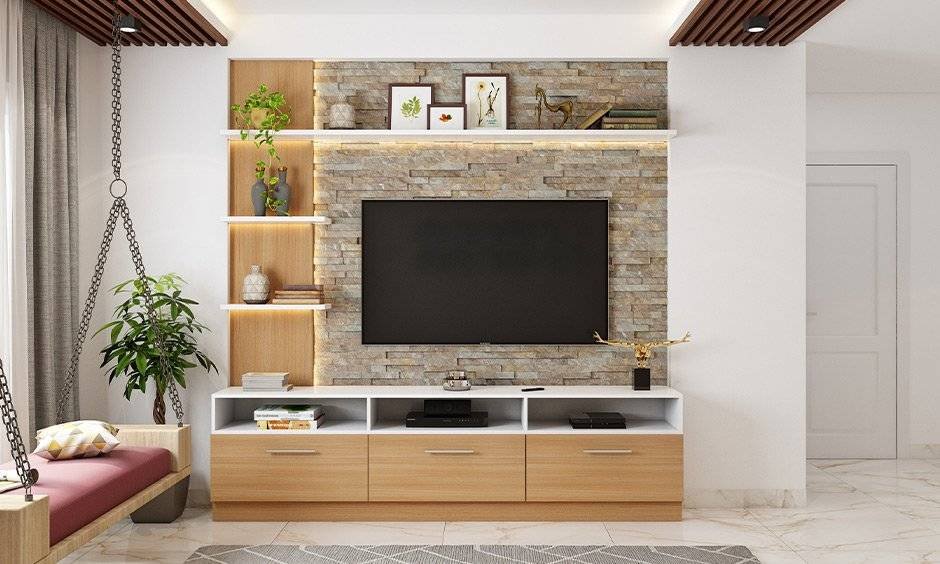
For example, a glass-finished, stylish, modern TV stand may appear good in a modern room, while a rustic wooden stand with straight lines can look great in a comfortable, farmhouse-style house. A TV stand which matches the colours or textures in your room will create an enjoyable mood. Colour, material, and design components are important factors when matching your TV stand to your present decor. In addition, don’t be scared to combine different designs; for example, an antique stand with modern decor can provide originality and visual excitement. Choose only complementary colours and materials to keep the entire design identical letting your TV stand out as a feature in your living room while connecting in perfectly with your decor.
Evaluate Storage Needs
A TV stand is an important decision that will improve the way your entertainment space functions, so it is important to consider how much storage you will need. DVDs, game consoles, media devices, and other peripherals should all fit on a well-designed TV stand in addition to your screen.
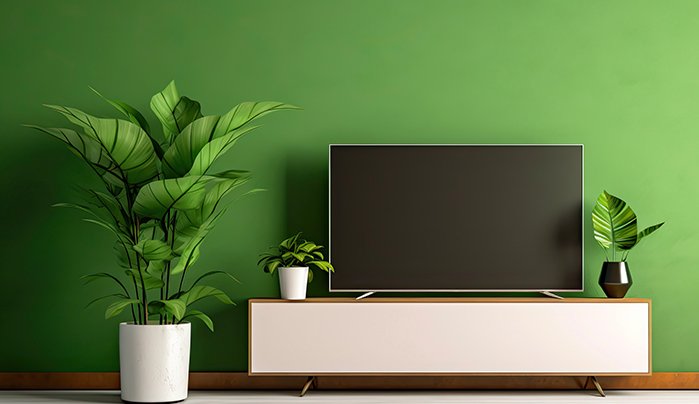
Think about if you want covered cabinets and drawers, which may help hide clutter and keep things organised, or open shelves, which offer easy access and display space for attractive goods. While cupboards might give a neater, more streamlined look by concealing wires and equipment, open shelves are perfect for showing your collection. Consider how much you use personally and how much stuff you need to store in order to make the best decision. If you have a lot of devices and accessories, a stand with lots of storage options is a must. In the end, having a TV stand that accommodates your storage demands will improve your viewing experience by keeping your living area organised and practical.
4. Choose the Right Material
Selecting the right material for your TV stand is important for both functionality and visual appeal, since it may greatly affect how all of your home’s decoration looks. Common materials with different characteristics are glass, metal, and wood. Wood stands are a popular option for many different types of decor because they radiate comfort and elegance. However, regular care is necessary to maintain the finish on these stands.
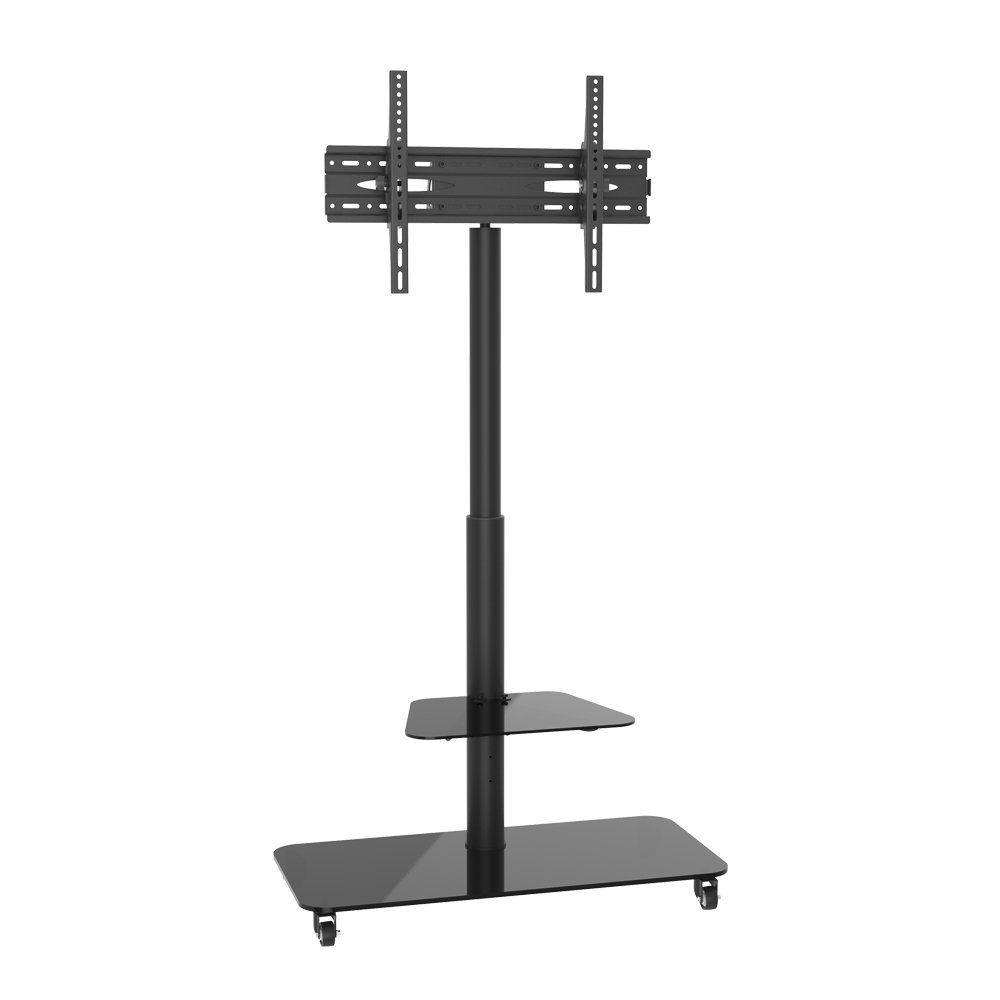
Because metal TV stands are known for their strength and often give off an air of modernism and industrialism, they may not feel as warm as wood. While they may need more frequent cleaning to keep them smudge-free, glass stands can give a room a sleek, modern appearance and increase its sense of accessibility. Make sure the material stands up to daily use and matches into your lifestyle when selecting materials. You should also think about maintenance and a long life. In addition, select materials that go along with or enhance the furniture that you already have; similar textures and finishes will enhance the harmony of your living area and create a unified design.
5. Look for Additional Features
When choosing a TV stand, it’s important to think about additional components that improve simplicity and efficiency. For example, cable management solutions can keep unattractive cords neatly organised and concealed, giving the area a more polished, cleaner look. Adjustable shelves are great for changing needs and tastes since they can be easily adjusted to accommodate a variety of gadgets.
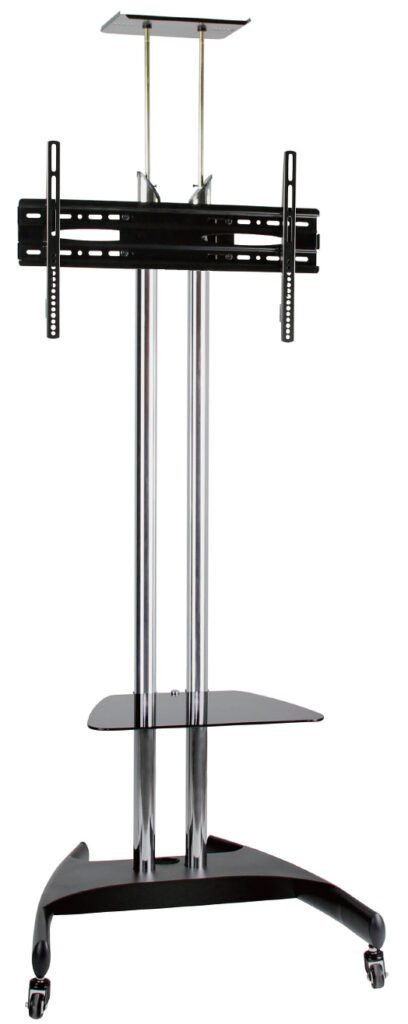
Adding built-in lighting into a living space can also improve the atmosphere by attracting attention to decorative pieces or creating a soft glow on movie nights. A feature that enables for best viewing angles or height adjustment so that the screen is at eye level should be taken into view. These features may improve usability. Select a stand which offers additional space for larger TVs or other devices you might buy in the future to further future-proof your investment. You can make sure that your TV stand meets your present expectations and can change to suit your growing entertainment system by giving priority to these features.
6. Set Your Budget
Planning is important when purchasing a TV stand since costs can differ greatly based on features, style, and material. Simple stands with low-cost metal or particleboard design can be found for $50 to $150 on the lower end of the price range, making them suitable for people who have modest demands. Better materials, more storage, and trendy looks tend to be found in mid-range options, which generally cost between $150 and $500.

Expensive TV stands can cost over five hundred dollars and have designer features like built-in lighting and smart cable management systems, or they might be built from high-quality materials like solid wood. To make sure that you invest in a long-term product, check prices from multiple sellers and verify customer reviews to find high-quality solutions within your budget. It’s important to find a balance between price, quality, and usability; if a more expensive stand meets your storage needs and has better durability, you may end up saving money as time passes. You can find the perfect television stand that matches the space without going over budget by setting a reasonable budget and looking at a variety of options.
Conclusion:
In short, careful examination of a number of important factors, such as style, size, storage, material, features, and budget, must be considered when selecting the right television stand. You can choose a stand that increases functionality and suits the design of your home by looking at your preferences and the size of the room.
While the right supplies and additional functions may improve your whole entertainment experience, considering your storage needs will make sure that you have enough space for all of your electronic devices and accessories. And last but not least, setting a budget helps you to find a balance among quality and expense, keeping your investment worthwhile. To find a TV stand that perfectly suits your needs and gracefully complements your living area, we advise you to take your time searching through all of the options available. Enjoy your shopping!